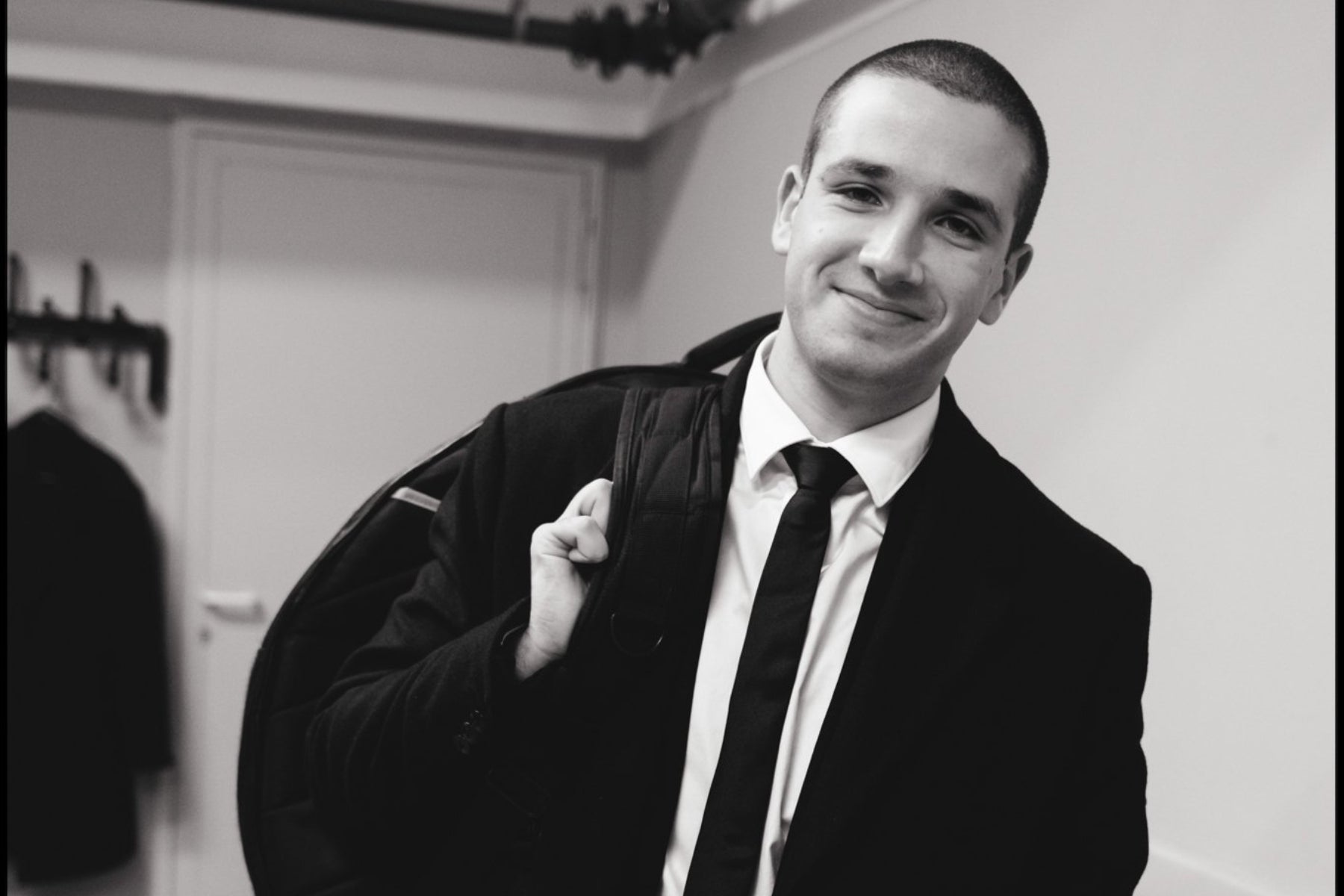

Itay Harel is a name rapidly solidifying its place in the contemporary music landscape. Known for a deep sense of groove, sophisticated rhythmic awareness, and a remarkable versatility that crosses genres, the Israeli-born drummer and composer brings a unique blend of sensitivity and power to every setting. Whether collaborating with leading musicians in the bustling New York jazz scene or developing his own projects, Itay's approach is defined by creativity, improvisation, and a profound dedication to musical storytelling. Having started on classical piano at six before finding his true calling on the drums, his journey is one of continuous exploration and dedication to the masters who first sparked his fire.
We caught up with Itay to discuss the foundational inspiration of legends like Elvin Jones and Tony Williams, the crucial role of chemistry in collaboration, how he views the evolving expressive potential of the drum kit in modern music, and his advice for young artists seeking their own identity. Here, he shares insights into what draws him to a project and the mindset required to push musical boundaries.
Thank you for joining us today, Itay! When did you first start making music? Where did it all begin, and what inspired you?
“I actually began my musical journey at the age of six, playing classical piano. That early foundation gave me my first real connection to sound, harmony, and expression. A couple of years later, when I discovered the drums, something clicked instantly; the energy, the physicality, and the freedom of rhythm felt completely natural to me. From a very young age I was deeply inspired by the masters: Elvin Jones, Tony Williams, Philly Joe Jones. Even as a kid, I remember being completely captivated by their sound, their intensity, and the way they could shape the entire direction of a band. Their playing didn’t just impress me; it made me feel like I had found the world I wanted to belong to.”
You've worked with artists from many different musical backgrounds. What draws you to a collaboration, and how do you shape your drumming to fit the unique identity of each project?
“For me, the foundation of any musical collaboration is chemistry, both musical and personal. I’m drawn to artists who bring honesty, openness, and a clear artistic vision. When someone has a strong sound and identity, it inspires me to listen deeply and respond in a way that truly serves the music. I always adapt my playing to the emotional world of each project. Sometimes that means creating space and subtlety, other times it’s about bringing power, intensity, or forward momentum.”
“I enjoy shifting between these roles, supporting, leading, interacting, and finding the right balance for each musical setting. Ultimately, my goal is to elevate the music and make everyone around me sound their best. A great example of this was a performance I played with the incredible bassist Barak Mori and the legendary saxophonist Eli Degibri. They are both remarkable musicians, not only technically masterful but also deeply expressive and sensitive.”
“Playing with artists of that calibre pushes you to be fully present and to bring your highest level of musicianship. We performed at Heichal HaTarbut in Tel Aviv, which is an amazing experience on its own. The acoustics, atmosphere, and history of the venue give every note a special kind of resonance. Stepping onto that stage is inspiring, and you feel the weight and beauty of the space immediately. The concert included both original compositions and jazz standards, creating a wide range of colours and moods throughout the night. Each piece required a slightly different emotional approach, from intimate and lyrical to energetic and driving. Experiences like this remind me why I love collaborating: every tune, every musician, and every environment invites me to shape my drumming in a new and meaningful way.”
The role of the drums has evolved significantly in modern music. How do you view the instrument’s role today, and how do you push its boundaries in your own work?
“The role of the drums has changed dramatically in modern music. It’s no longer just about keeping time or holding the groove together. Today, the drums are a fully expressive instrument that can shape the energy, the narrative, and even the harmonic direction of the music. Drummers are now expected to be storytellers, colourists, and collaborators, not just timekeepers.”
“I see the drum set as a highly versatile instrument with endless possibilities. In many contemporary settings, the drummer can guide the emotional arc of the music through texture, dynamics, and interaction. That freedom is something I try to embrace in my own playing. To push the boundaries of the instrument, I focus on sound, touch, and intention. Sometimes that means exploring different textures and colours, sometimes it means playing with space, and sometimes it means pushing the energy forward in a more aggressive or rhythmic way.”
“I love the idea that the drums can be both powerful and incredibly delicate, both leading and supporting, depending on what the moment needs. For me, it all comes down to listening deeply to the musicians around me and responding in a way that elevates the music. When you approach the drums with that mindset, the instrument becomes much more than a rhythmic foundation. It becomes a voice with its own emotional depth and character.”
Tell us about a project that you feel especially connected to. What makes it stand out to you?
“A project I feel especially connected to right now is the work I’m doing in my studio, recording drum loops and creating my own sample library. There’s something very personal about shaping sounds from scratch, exploring textures, and building grooves that reflect my own musical identity. It stands out to me because it’s a space where I have complete creative freedom, and I can dive deep into the details of sound, feel, and production in a way that feels both intimate and inspiring.”
What guidance would you offer young musicians who are trying to develop their own artistic identity, both as players and as composers?
“My biggest advice is to stay curious and stay honest. Listen to everything, study the musicians who move you, and spend a lot of time experimenting on your instrument without judging yourself. Your real voice comes from the things you naturally gravitate toward, not from trying to sound like anyone else. As a composer and a player, try to follow what feels true to you. Pay attention to the sounds, grooves, and ideas that make you excited, and develop them. And most importantly, be patient. Finding your voice is a long process, but if you keep exploring and keep showing up, it will reveal itself.”
Itay Harel's journey is a powerful reminder that the best music is built on honesty, deep listening, and a willingness to embrace the emotional core of the sound. His commitment to treating the drums as an expressive voice, capable of both subtle lyricism and powerful intensity, marks him out as an indispensable collaborator and a compelling artist in his own right.
As he continues to explore new sonic territories through composition, performance, and his innovative studio work, it’s clear that this rhythmic storyteller has only just begun to chart the extent of his own musical world. We look forward to seeing what grooves he lays down next.