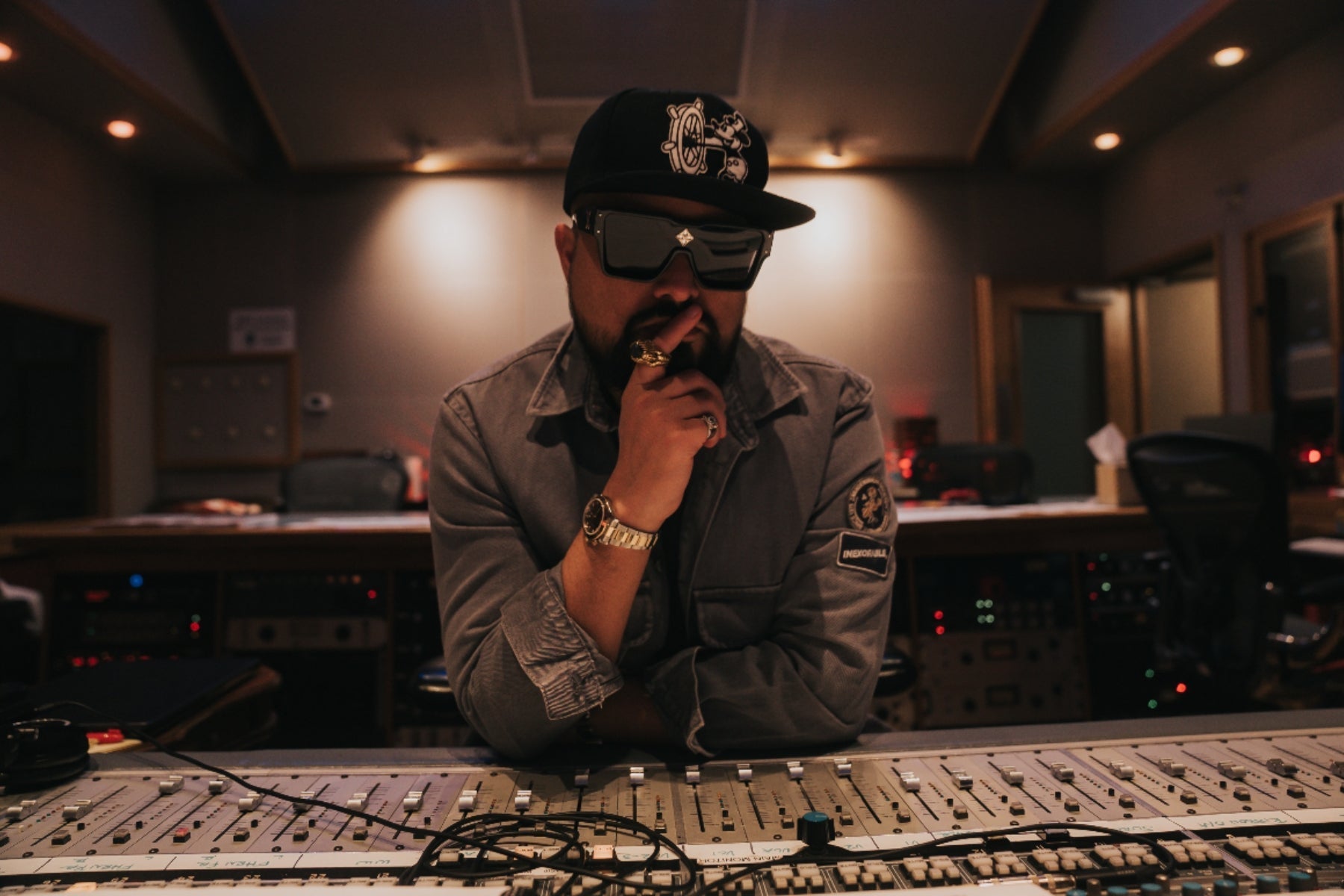
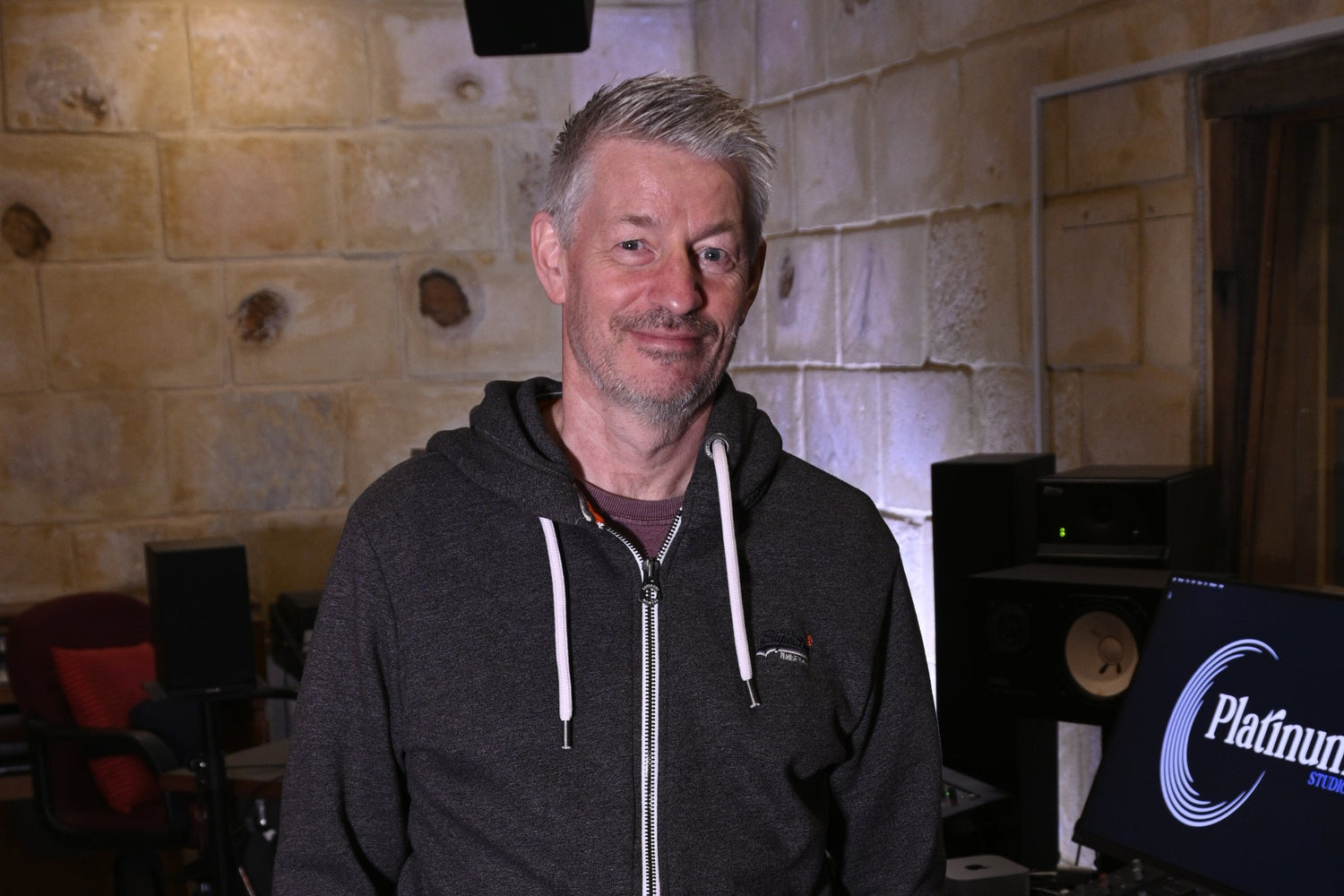
Paul Frazer Clarke is more than just your run-of-the-mill Composer & Producer; he’s a industry professional with ‘history’ whose own life story has been meticulously scored across four decades. Originally hailing from the UK before migrating to Perth WA in 2012, the veteran producer has seen—and often started—trends, moving fluidly between genres from co-producing the first ever drum and bass album to penning music for global media giants like the BBC, National Geographic, and even Oprah.
Having previously been signed to major labels like Epic Records and MCA Music, Paul’s journey is less about chasing fleeting fame and more about the enduring craft of creating honest, heartfelt music that seamlessly weaves its way into the background of our lives.
His latest offering, ‘Backstories From A Soundtrack To Life’, released on Reggio Records, is a vibrant, genre-spanning collection that lives up to its name. Featuring collaborations with world-class talent, including Grammy winner Lucky Oceans and vocalists from The Voice and Fun Lovin' Criminals, the album touches on everything from the smooth R&B soul of 'You're My Breath' to the conscious jazz-funk of 'Visions of a Changing World' and the poignant, Steely Dan-inspired yacht rock of 'It’s Not Alright It’s Not OK'.
We recently caught up with him to discuss musical roots, the importance of a strong chorus, and why intelligent arrangements are crucial for the future of songwriting.
Thanks so much for taking the time to chat with us today. Let’s dig into your past a bit! When did you first start making music, and what inspired you to start?
“I started experimenting at home on the piano at a very young age and have never lost the enthusiasm for composing since. I was fortunate in that my music teacher at school was supportive; he bought a drum kit one day and encouraged me to sit down and just try playing it, which started a broader development of my all-round musical skills. I started playing in bands in the late '70s and moved to London to join a band that got signed to a major label in the mid-1980s. I've been in the industry ever since and gradually honed my skills as a composer and producer over the last 35 years or so.”
Can you tell us a bit about your new album and what it means to you?
“This particular album was something I'd almost convinced myself not to undertake, but once I had a purpose for doing it, I thought, ‘Why Not?’, and embarked on the journey of my first solo album project. Fortunately, the purpose is to get a few tracks onto sync projects for film and TV, using my network of contacts. I wanted to embrace collaboration on this album, so I set about developing co-writes with artists from all parts of the globe, including emerging artists from Australia. The album features Sharin Attamimi (The Voice Aus), Naim Cortazzi (Fun Lovin' Criminals), Lucky Oceans (Grammy award-winning pedal steel guitarist), and many more.”
Along with embracing a more collaborative approach, were there any artists, moments, or experiences that influenced you when creating the release?
“The great thing about this project is I could do what I liked! So, I set out to produce a series of tracks based on my key musical influences over a 45-year period. Each one is quite different, so the genre category is impossible to define. These influences include Sting, PM Dawn, Stevie Wonder, Joni Mitchell, The Police, Pink Floyd, Deep House, Jazz – an eclectic mix of stuff.”
How would you describe the sound on the album? Is it a varied mix or a more cohesive collection?
“I like a high degree of musicality in the sound and production style. However, with so many variants across the album, I tried to also build in some authenticity in the production and mix, so as to make some of the tracks sound like they were made a while ago.”
What was your songwriting process? How did it all come together on this latest release, particularly with that collaborative aspect?
“It varied to be honest. Because I co-wrote some of the tracks with a range of other songwriting artists, it was quite fluid although quite often, I had laid down the foundational canvasses for each track before approaching each artist. This seemed to work really well. Some tracks were complex and for example, I invested significant time programming/playing live drums on some of the tracks as I wanted to get a distinct sound that worked on each composition.”
“More often than not, regardless of the track, the groove is an essential early stage of songwriting development, as I can already hear much of the completed song in my head before adding in the instrumentation and melodies. I'm not a great lyric writer, so the collaborations were valuable to bring some of the ideas to life in an intelligent way.”
Was there a central message or theme you were trying to convey in your latest release?
“Not really, I think most people have found a few tracks within the album that they love, depending on their taste and mood of course.”
What’s the most important thing when you’re writing a song?
“To make sure the chorus is strong and the hooks work, and the musicality stimulates the listener. I don't subscribe to the recent trend of "3 chords are all people can cope with"—that fad is a nonsense, and I think we'll look back with horror on it. We need to keep intelligent arrangements in songs otherwise the craft will suffer – ask Sting!.”
Do you have any advice for bands and artists who are just starting out and trying to make their mark?
“It's very tough; the industry is very different now to when I started. I always encourage younger people to experiment... go and work with someone not in your genre whether this is writer or producer and try and be objective about the outcome. You'll learn a lot from working with different people. Avoid AI of course; it's great for business but not for the creative music process.”
What has been your best moment as a musician or band so far? What has the reception to your latest release been like?
“I’ve been fortunate to have had a few highlights…. Performing live to a capacity crowd at Hammersmith Odeon (now called Hammersmith Apollo) was right up there, watching my first private screening of a film with my compositions in it would be another, but I’ve been very lucky over the years to be honest.”
“The album reception has been very good, I've not really pushed this too much given the Film/TV dynamic but I've been delighted with the following and listens being achieved. Most of my work is for projects for other people, so it's nice to see how your own solo work goes down.”
Is there anything you would like to say to our audience? How can they connect with and support you?
“Feel free to check out my Instagram account. You'll also find tracks, remixes, podcast interviews and lots of stuff via my LinkTree. You can check out some of my work on Spotify as well. Feel free to DM me with any questions or comments too.”
Paul Frazer Clarke is a testament to the idea that a life in music is a career built not on charts, but on catalogue and craftsmanship. With ‘Backstories From A Soundtrack To Life’, he’s reminded us that while trends may come and go, the power of a well-arranged, emotionally honest song is timeless. Whether his tracks are scoring a documentary or becoming the backdrop to a listener’s late-night drive, Paul’s mission remains the same: to create music that connects.
Now, with a rich body of work and a fresh solo album under his belt, his journey from a young, experimenting piano player to an industry veteran continues to inspire, proving that the best songs are the ones that simply refuse to fade away.