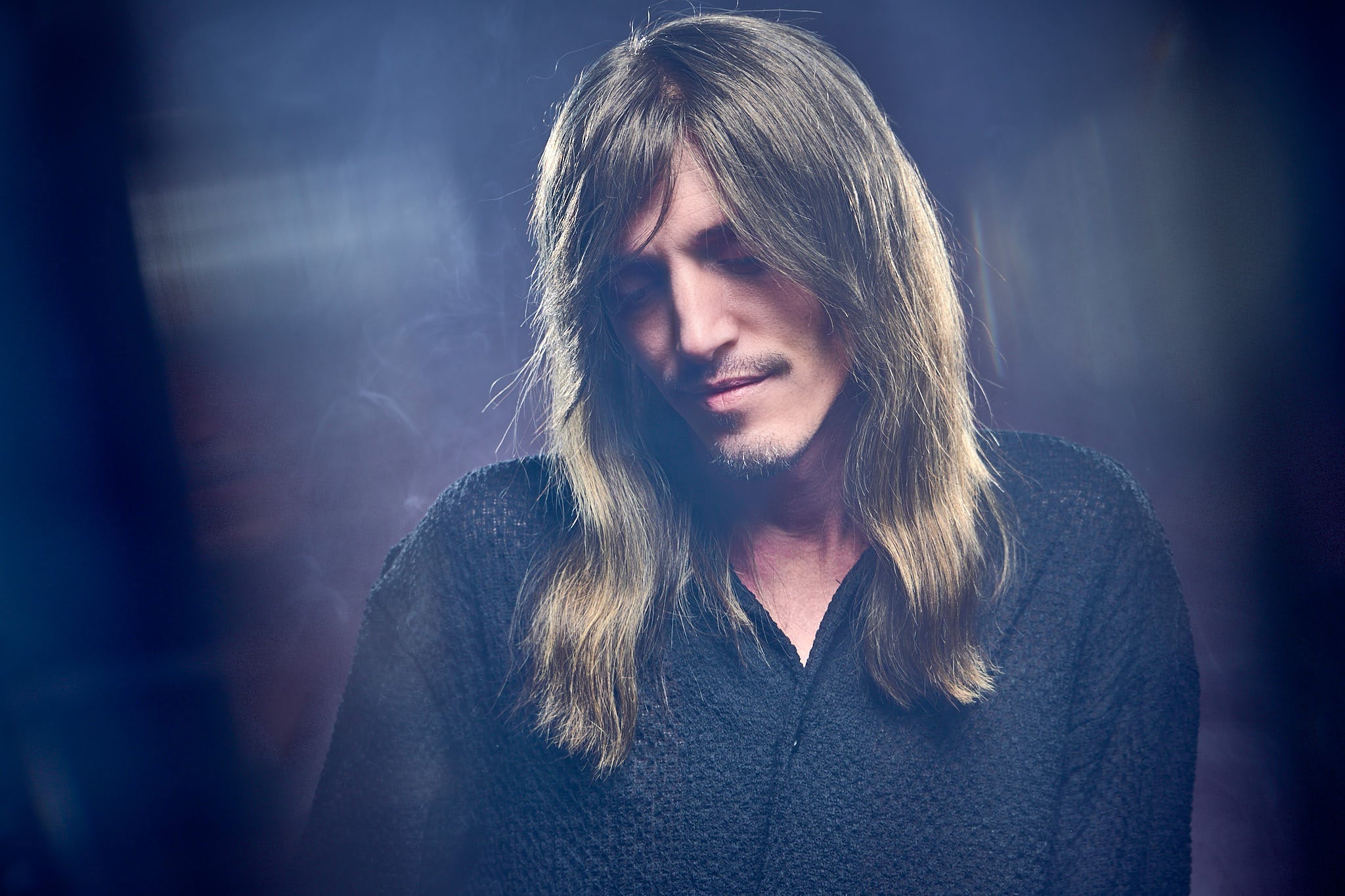
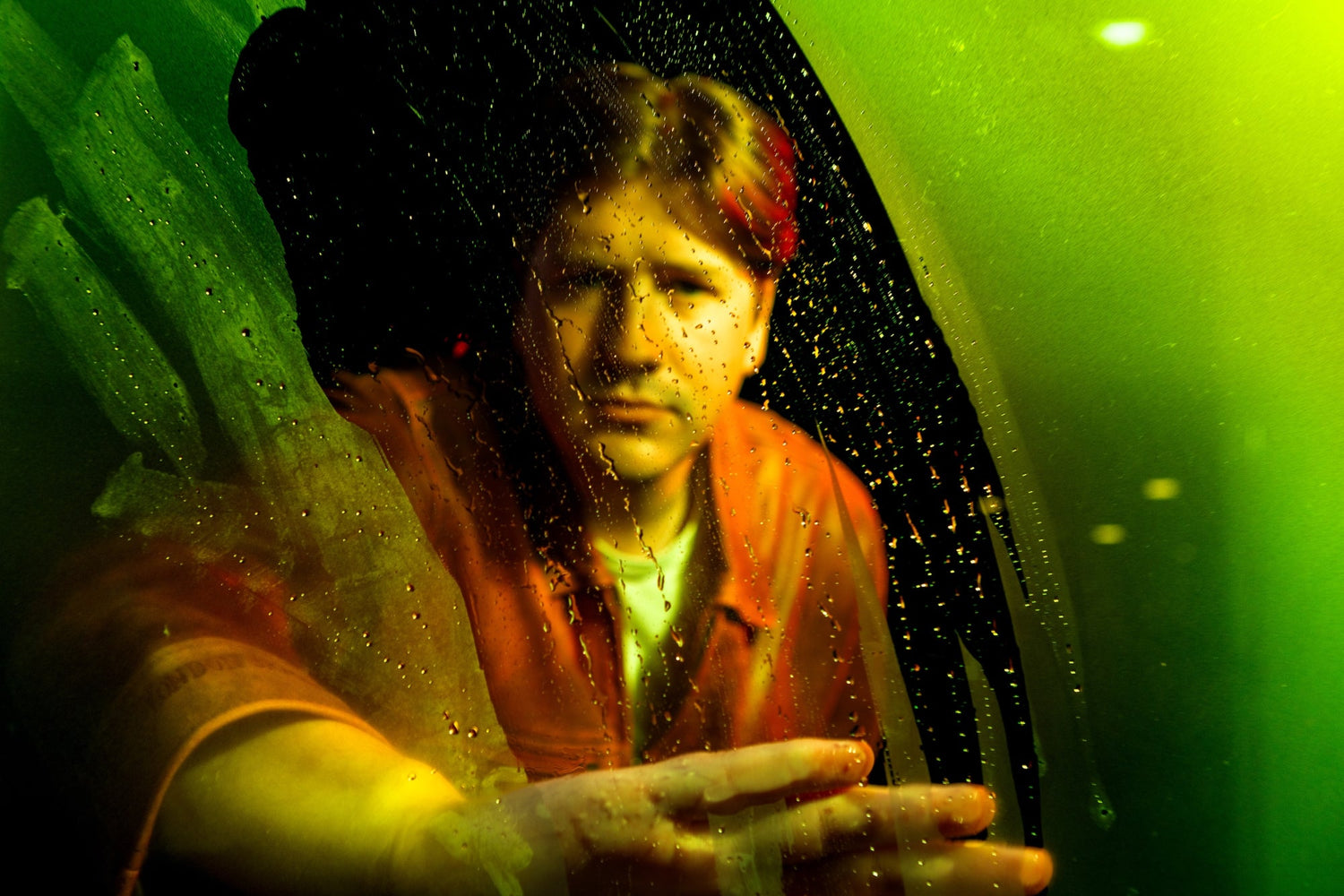
Dylan Espeseth has spent years refining a sound that bridges the gap between the golden era of third-wave emo and the modern DIY scene. On his debut album, 'Silence After the Crash', out now, that journey reaches a poignant destination. Produced by the legendary Aaron Sprinkle, the record is a deep dive into the heavy, ringing quiet that follows life’s loudest upheavals. It is an exploration of the duality of human connection: the warmth of being surrounded by loved ones versus the spiralling isolation that takes hold when the door finally closes.
Espeseth’s musical pedigree is broad, rooted in a childhood spent in school orchestras and bonding with his father over vinyl. You can hear those eclectic threads—stretching from the pop-punk sensibilities of Fall Out Boy to the introspective folk of Bob Dylan and the melodic trap of Lil Peep—woven throughout the tracklist. On 'Whine', he grapples with the sharp edges of nostalgia, acknowledging the ache that comes when you realise beautiful moments are strictly for the memory bank.
The record leans into a classic, angsty emo-rock urgency, reminiscent of early Motion City Soundtrack or Saves the Day. Espeseth’s vocals often carry a hint of Matt Thiessen’s clarity with a rhythmic phrasing that feels like a nod to Max Bemis. Nowhere is the tension between love and dread more evident than on 'I’m Really Bad at Being Alone'. The album refuses to look away from self-doubt; 'Circles' and 'Thoughts' are claustrophobic accounts of mental stagnation, while 'Nothing Happens' deals with the bitter pill of unfulfilled career ambitions.
Working with Sprinkle clearly paid off in the vocal booth. Speaking on the collaboration, Espeseth noted: "Working with Aaron has been a dream come true in a lot of ways. I’ve been a major fan of albums he’s produced for many years, and after working with him, I totally see why they’re so great. He understood the vision for the project so well from the very first conversation we had. He very much taught me the importance of emotion in the vocals above everything else."
Despite the heavy themes, there is a pulse of resilience here. 'Rot' serves as a vital pivot point, where the desire to break toxic loops outweighs the comfort of staying stuck. It’s a grounded, honest debut that doesn't need to shout to be heard.
Catch up with Dylan’s latest moves and tour updates by heading over to his Instagram page.