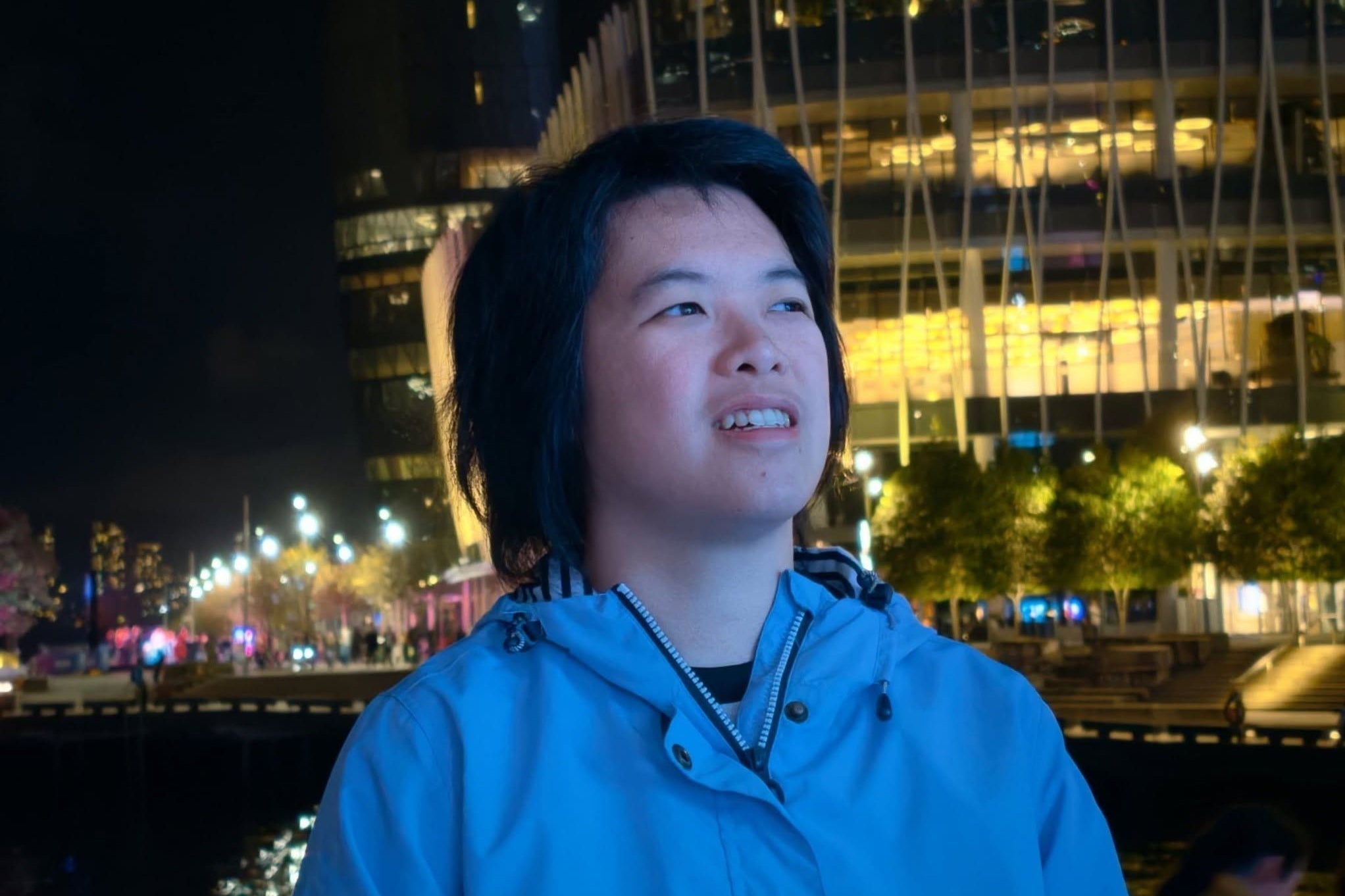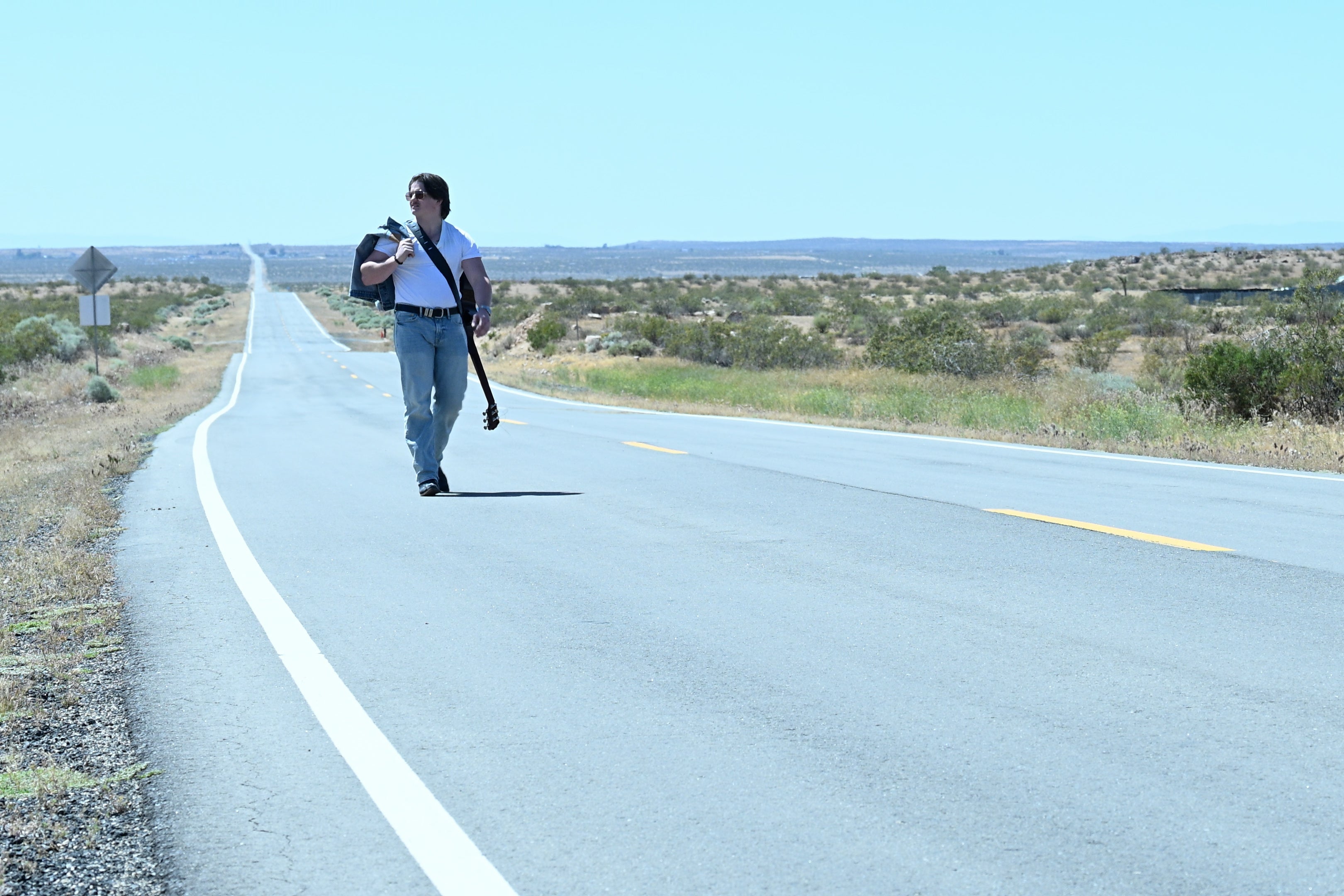
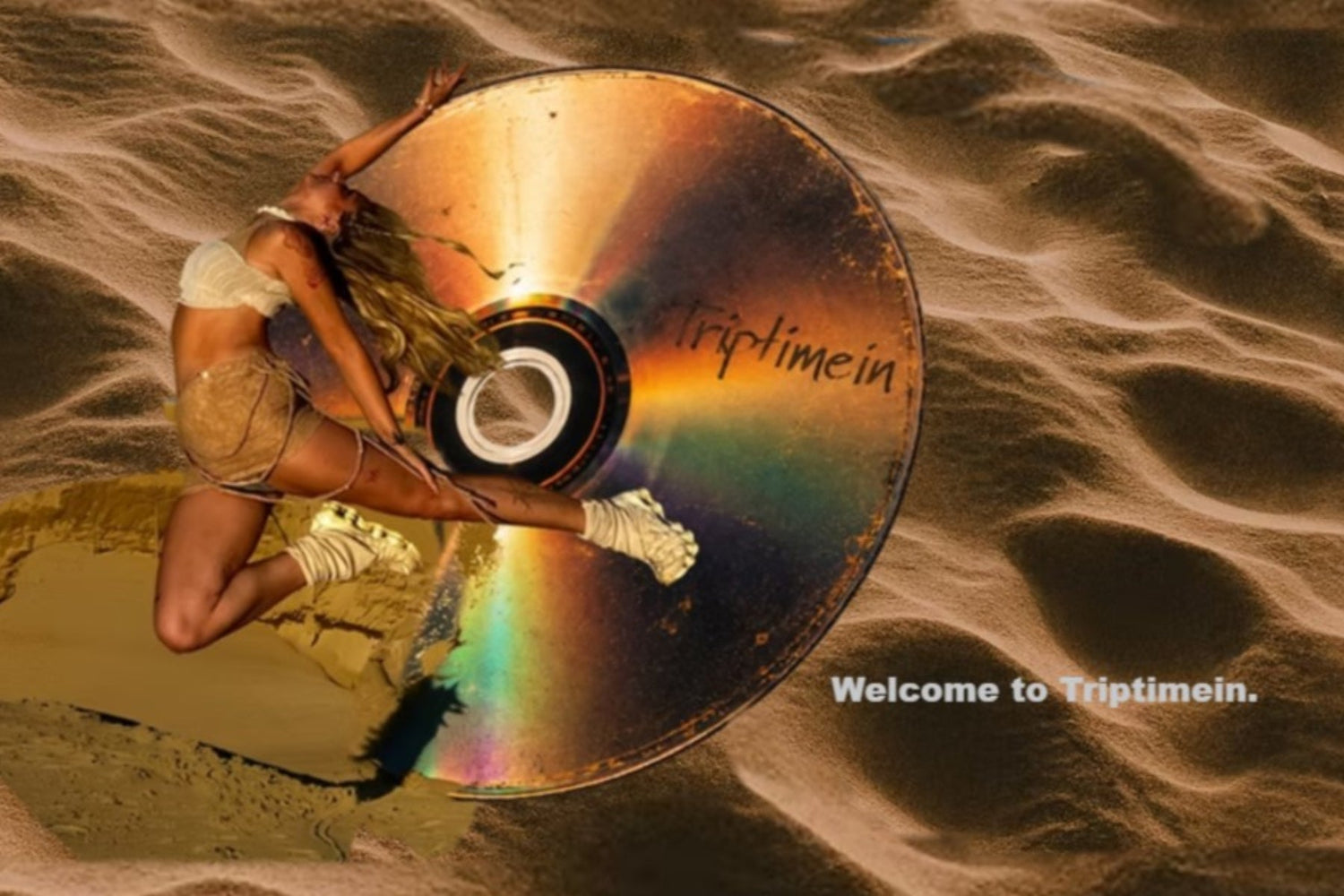
The global independent music scene is currently witnessing the rise of artists who refuse to be confined by the traditional boundaries of genre. Among them is ENAGEE, a Serbian independent multi-disciplinary creative who crafts deeply immersive, cinematic sonic worlds. Her music is a hypnotic blend of psychedelic alternative, experimental hip-hop, electronic production, and dreamlike rock.
Drawing inspiration from heavyweights like Kanye West, Travis Scott, Tame Impala, Pink Floyd, Lana Del Rey, and Grimes, ENAGEE approaches her art not as a collection of individual tracks, but as an extensive exercise in world-building, where albums are meant to be experienced seamlessly from start to finish.
Beyond her captivating musical endeavours, ENAGEE is a passionate advocate for community development, currently raising awareness for the construction of a public skatepark in her hometown of Požarevac, Serbia. This initiative reflects her core philosophy that music, art, and public spaces can inspire creativity, strengthen local communities, and open new doors for future generations. Her latest ambitious release, ‘Triptimein’, serves as a cinematic invitation to journey inward, exploring the metaphorical desert where external distractions vanish and self-discovery becomes the only path forward.
We recently sat down with the visionary artist to discuss the deeply personal evolution behind the new album, her unique freestyle songwriting process, the diverse cultural and literary influences that shape her universe, and her long-term aspirations to revitalise community spaces.
Hi ENAGEE, thank you so much for joining us today! Where did your musical journey begin, and what originally inspired you to start creating your own sonic worlds?
“I've been making music for as long as I can remember. Even as a child, I was constantly writing lyrics, melodies, and little worlds in my head—almost always in English, even though it's my second language. I didn't fully understand why I was drawn to it at the time; it just felt like the most natural way to translate my imagination into something real.”
“As I grew older, those childhood ideas turned into a deeper obsession. Through my teenage years, I kept dreaming, experimenting, and teaching myself how to shape emotion into sound. In 2020, I released my first song, which felt like opening a door I had been standing in front of for years.”
“The release was only the beginning. The next six years became a period of intense growth, learning, and refinement. I wanted to understand every layer of the process—writing, production, atmosphere, storytelling—and push myself until the music truly sounded like the world I had always imagined.”
“Now, with ‘Triptimein’, I'm proud to release my first full-length album created entirely by me. It feels less like a debut and more like the moment a lifelong dream finally learned how to speak.”
What is the core concept behind ‘Triptimein’, and what does this specific project mean to you personally?
“’Triptimein’ is probably the most personal project I've ever created because it grew out of a feeling I've returned to throughout my life: finding myself alone in a desert of emotions.”
“The desert became the central symbol of the album because, to me, it's a place that strips everything back. When resources are scarce, when there's nowhere left to look, you're forced to turn inward. That's where real growth begins. No matter how far we travel or how much we search for answers in the outside world, the deepest transformation always happens within ourselves.”
That idea shaped every part of ‘Triptimein’. Rather than making a collection of songs, I wanted to build a complete world that listeners could step into from beginning to end. Every transition, atmosphere, and sound represents another step through that inner landscape, where uncertainty slowly gives way to clarity.”
“I don't see the album as something that gives answers. Instead, I hope it creates a space where people can pause, reflect, and discover their own meaning. If someone finishes the album feeling like they've taken a journey through themselves, then I've achieved exactly what I set out to do.”
Which specific artists, literary works, or experiences helped shape the atmosphere and storytelling of this album?
“Absolutely. ‘Triptimein’ is filled with references, but I never wanted them to feel like Easter eggs for the sake of it. Every influence was chosen because it helped tell the story of the album.”
“Hunter S. Thompson's ‘Fear and Loathing in Las Vegas’ inspired the idea of embracing the unknown rather than fearing it. Kanye West's Wyoming era reminded me that isolation can become one of the most powerful creative spaces. Black Sabbath's ‘Planet Caravan’, Pink Floyd, Tame Impala, Lana Del Rey, Travis Scott, Grimes, and even mythology all found their way into the project because they've each shaped how I think about atmosphere, storytelling, and emotion.”
“I also love connecting literature, cinema, philosophy, and music into one universe. There are references to ancient mythology, classic rock, gonzo journalism, reggae culture, and even subtle lyrical nods that listeners might only notice after a few listens.”
“In many ways, ‘Triptimein’ is my way of saying thank you to the artists and thinkers who expanded my imagination. It's an homage to the worlds they created while becoming something completely my own. I hope people can enjoy it on the surface, but if they choose to dig deeper, they'll discover there's another layer waiting beneath every song.”
How did the songs for this album come together, and what does your typical songwriting process look like?
“Almost everything I've released—including ‘Triptimein’, which is now my seventh project—starts as a freestyle. I've always admired artists like Prince who could capture a feeling in the exact moment it appeared. I believe that once an emotion is real, you shouldn't overthink it or polish it until it loses its soul.”
“I don't like forcing myself to sit down and ‘write a song’. You can usually hear when something was manufactured. Instead, I try to become completely present, let the music guide me, and pull ideas from whatever source they're coming from. My songs are journeys, and journeys are unpredictable no matter how much you try to control them.”
“For ‘Triptimein’, I spent months studying different cultures, musical traditions, philosophies, and spiritual ideas from around the world. Every influence became another colour on the palette that eventually shaped the album's universe.”
“I also made well over a hundred demos before arriving at the final twelve tracks. It was chaotic, exhausting, and incredibly liberating all at once—almost like wandering through a desert. You lose your sense of direction for a while, but eventually, you discover something you could never have found by following a map.”
How would you describe the sonic landscape of ‘Triptimein’, and how has your musical style evolved since your early work?
“The sound of ‘Triptimein’ represents a huge evolution for me as an artist.”
“Before this album, my music was very much shaped by the artists who raised me creatively. Lana Del Rey is my mother, Jim Morrison is my father. Not literally, of course, but in the way artists can become part of your DNA. Lana taught me so much about songwriting, vulnerability, creating atmosphere, and turning emotions into entire cinematic worlds. Morrison gave me that poetic, psychedelic spirit and the courage to explore the unknown.”
“Because of that admiration, my earlier work naturally carried those influences. Someone could listen and say, "this is another girl who sounds like Lana with a love for the 60s," and honestly, they wouldn't be wrong. But it came from studying the artists I loved and learning the language of music through them.”
“Over time, I understood that being an artist is a deeply personal experience. You have to take the time to experiment, break things apart, and discover what exists beyond your influences. I spent years exploring the sounds of the 60s, the 70s, and the future—as Giorgio Moroder said, "the sound of the past, the sound of the present, and the sound of the future."
“With ‘Triptimein’, I took a bold step into making my sound more expressive and less hidden. My previous albums were part of my growth, but I was often apologetic about putting them into the world. This one feels different. This is me. It is personal, explosive, seductive, psychedelic, and much more in your face. It feels like I finally stopped asking for permission and fully stepped into the universe I've been building all these years.”
What is the central theme of the album, and which particular tracks do you feel best embody this message?
“The central message of ‘Triptimein’ is the journey inward. The album is built around the idea that sometimes life takes you into a personal desert—a place where the outside world becomes quiet and the only place left to search for answers is within yourself.”
“The desert is not only a symbol of loneliness; it is also a place of transformation. When everything external disappears, you are forced to discover what is truly inside you. The moment that captures this feeling the most is the title track, ‘Triptimein’. The big drop is the soul of the entire album—it feels like everything I've been carrying inside finally breaks through at once. All the emotions, memories, fears, dreams, and sounds that existed inside me come together and burst into one moment.”
“Another important moment is ‘Saharam’, which represents the darker side of the journey. It carries the feeling of standing alone in the desert and accepting that sometimes it is cruel, sometimes it is painful, but it is still part of the path. It is where the fight begins—the moment where you realize you have to keep moving even when there is no clear direction.”
“Then the album closes with ‘Straata’, which brings everything back to humanity. After traveling through all these internal worlds, the final realization is that we are all children of the same street. We all carry our own struggles, dreams, and stories, but we are connected by the same experience of being human. ‘Triptimein’ doesn't try to tell people what to feel or give them a final answer. It is an invitation to explore themselves, embrace the unknown, and keep growing.”
Looking ahead, what are your major aspirations both as a creative force and on a personal level?
“My first objective outside of music is helping build a public skatepark in my hometown. I believe creative spaces are essential because they give people somewhere to gather, express themselves, and discover their own passions. I want to create something that exists beyond me—something that future generations can enjoy and feel inspired by.”
“Looking ahead, I want to build more than just music. I want to create spaces, places, and experiences connected to my artistic vision—whether that means parks, monuments, creative spaces, or environments where people can feel free to explore and express themselves. I want to leave an impact that lasts.”
“I see myself as a creative powerhouse, and my ultimate goal is to bring all of my artistic disciplines together into one profession. Music, dance, singing, composition, choreography, visual arts, acting—every form of expression that allows me to tell stories and create something meaningful.”
“Over the next few years, I hope to continue expanding my creative universe, collaborating with inspiring artists, and proving that an artist can be more than just one medium. I want to build, create, and leave behind something that people can experience for years to come.”
Now that the album is out, what are your plans for the near future regarding new music or live shows?
“After creating six albums in one year, I decided it was time to slow down and give one project the attention and space it deserved. ‘Triptimein’ became that project. The process was originally planned for six months, but it naturally grew into a nine-month journey because I wanted every detail to feel intentional.”
“Now that my baby is finally out in the world, my main focus is sharing it with as many people as possible and allowing listeners to experience the journey I created. Of course, knowing myself, I'm already thinking about new music every single day.”
“Creativity is something I can't really turn off, so I wouldn't be surprised if new projects start appearing sooner than expected. My creativity is hungry, and after everything I've built with ‘Triptimein’, I feel like I'm only getting started. I'm excited to continue exploring new sounds, new ideas, and new worlds.”
Do you have a final message for our readers on how they can best support your vision?
“To everyone listening, first of all, thank you for taking the time to enter my world. I don't see music as something that is simply released and consumed. I see it as a connection between two people who might never meet, but can still understand each other through a feeling, a melody, or a moment.”
“‘Triptimein’ was created from a very personal place, but once it leaves my hands, it becomes yours too. I hope everyone who listens can find their own meaning inside it, whether they are going through their own desert, searching for answers, or simply looking for a place to escape for a while. The best way to support me is simply to listen, share the music with someone who might connect with it, follow my journey, and become part of this growing community.”
“Every listener, every message, and every person who gives my art a chance becomes part of the story. I'm building something that goes beyond just songs. I want to create music, spaces, and experiences that people can carry with them for years. Thank you for believing in independent artists and for stepping into my universe. The journey has only just begun.”
ENAGEE’s ‘Triptimein’ stands as a powerful testament to the beauty of self-exploration and the magic of independent artistry. By weaving together vast musical genres with profound philosophical concepts, she has delivered a captivating body of work that truly demands undivided attention from start to finish.
As she continues to expand her multi-disciplinary horizons and work towards building creative spaces for youth in Serbia, ENAGEE proves that her artistic footprint will extend far beyond the digital airwaves. Be sure to stream the new record and immerse yourself fully in the expansive universe she is building.
To stay updated on ENAGEE's journey, upcoming releases, and her public skatepark advocacy project, check out her website, or follow her on Instagram, YouTube, Spotify, and Apple Music.